AI Powers A New Computing Ecosystem

The AI computing landscape has evolved from focusing on software, cloud, and services to eight key categories, including chipmakers and model builders. The demand for robust AI solutions highlights the importance of a multi-layered architecture, addressing both automation and user experience, while requiring CIOs to navigate a complex vendor environment effectively.


Continue reading

How to Assess Personality Using AI

AI-driven personality assessments can enhance organizational fit evaluations by analyzing video, audio, and text data, offering faster and potentially more accurate results than self-reported surveys. This technology can facilitate hiring, team dynamics, and client-service provider matching, though successful implementation requires significant data, standardization, and expertise in analysis.

Continue reading

How Businesses Can Survive the AI “Black Hole”

A balanced approach to generative AI (GenAI) is crucial for companies navigating uncertainty. Executives recognize GenAI’s potential impact, with strategies ranging from inertia to aggressive engagement. Successful firms like Tesla exemplify flexible experimentation, strategically embedding AI while adapting. A sequence of AI projects can prepare businesses for an unpredictable future.

Continue reading

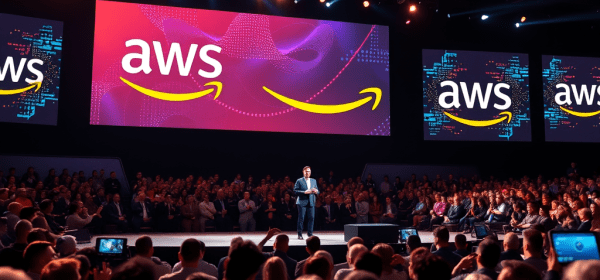
What We Saw At AWS re:Invent 2024

At AWS re:Invent 2024, CEO Matt Garman highlighted AWS’s response to the rise of generative AI (genAI) and announced innovations, including the Nova model series and advanced AI training clusters. Key focus areas included improved AI services, data storage solutions, expanded security, and sustainable cloud initiatives, emphasizing AWS’s competitive edge in the growing cloud AI market.

Continue reading

What Developers Should Know About Embedded AI

APIs have revolutionized software development, but integrating AI requires a deeper understanding of its complexities. Many developers mistakenly view AI as a simple tool, neglecting nuances like data quality, security, and ethical implications. Effective AI implementation necessitates a clear business case, testing, collaboration, and ongoing education to avoid misaligned expectations and risks.

Continue reading

Preparing for AI-Augmented Software Engineering

AI-augmented software engineering integrates AI technologies into the development lifecycle to enhance efficiency, accuracy, and productivity. This approach has shown a 40% improvement in code quality, enabling developers to write better code faster while addressing vulnerabilities. Generative AI further automates tasks, improving productivity, reducing costs, and accelerating the development process.

Continue reading

Technology and Business Trends for Executives

Executives must navigate rapidly changing technology and business trends influencing innovation and industry disruption. Key trends include cloud computing’s role in scalability, AI/ML integration for efficiency, IoT’s impact on productivity, proactive cybersecurity measures, and the criticality of data management. Embracing these trends can enhance competitiveness and drive growth.

Continue reading

Help Wanted: IT Hiring Trends in 2025

Digital transformation is reshaping IT’s role in organizations, focusing on cost reduction, productivity, and talent retention. As the hiring landscape evolves, companies prioritize skills-based recruitment, adapting to remote work trends. Emerging roles center on AI, data analysis, and cybersecurity, while organizations must invest in training and inclusivity to attract top talent amidst rising competition.

Continue reading

AI Regulation: Too Much Too Soon, Or Not Enough?

Calls for urgent AI regulation are increasing, with experts warning that governments have about 18 months to act. Balancing the benefits and risks of AI is crucial, as overly strict regulations could stifle innovation. A consensus among businesses and policymakers is needed to establish effective, adaptive, and pragmatic security measures for AI technologies.

Continue reading

How IT Can Show Business Value From GenAI Investments

IT leaders must demonstrate that generative AI investments yield measurable business outcomes. To maximize ROI, a strategic approach integrating AI into operations is essential. Key challenges include data governance, model accuracy, and security concerns. Strategies for effective implementation include defining clear objectives, conducting pilot programs, and continuously monitoring performance to ensure alignment with business goals.

Continue reading

Where IT Consultancies Expect to Focus in 2025

Artificial intelligence’s role will expand in 2025, focusing on data governance, integration, and responsible use. Companies must adapt their strategies to leverage existing platforms and upskill teams to harness AI effectively. The emphasis will be on modernizing data architectures, ensuring cybersecurity, and enhancing customer experiences through advanced analytics and process intelligence.

Continue reading

From Declarative to Iterative: How Software Development is Evolving

Software development is evolving rapidly with the advent of low-code platforms and AI, enhancing productivity and allowing developers to focus on strategic decision-making. However, AI-generated code has limitations, such as misinterpretation and lack of context. Maintaining human expertise in coding remains crucial for quality control and ethical considerations.

Continue reading

Navigating The Convergence Of Edge Computing, IoT, And OT With AIOps

The convergence of edge computing, IoT, and operational technology brings both opportunities and challenges to IT operations. AIOps emerges as a vital tool for enhancing performance, security, and efficiency in these interconnected environments. It helps with real-time data processing, IoT device management, operational integration, predictive maintenance, and security enhancement.

Continue reading

1 12 13 14 15 16 57