Taylor Swift Inspired Me to Get an Acupressure Mat, and I’m Never, Ever, Ever Looking Back

During her Eras Tour, Taylor Swift shared her recovery techniques, including the use of an acupressure mat. These mats stimulate skin points, potentially alleviating muscle tension and promoting relaxation. While they offer general relief, experts caution that they’re not substitutes for professional acupressure or acupuncture. Proper use and realistic expectations are essential.

Continue reading

Blood oxygen bias

Pulse oximeters may inaccurately measure blood oxygen levels for individuals with darker skin tones due to melanin absorption. This issue became more prominent during the Covid-19 pandemic, leading to potential misdiagnoses. Recent research confirms that many home-use devices are unreliable, prompting calls for better regulations and improvements in oximeter design.

Continue reading

Acquiring Knowledge Of Early Indications Of Mental Health Issues

Understanding mental health is vital in today’s fast-paced world. Recognizing early warning signs, such as emotional shifts and physical symptoms, can prevent serious issues. Mental health education enhances self-awareness and empowers individuals to provide support. Programs like Mental Health Courses Adelaide equip people with essential skills to foster community well-being and open communication.

Continue reading

The Overlooked Link Between Medical Aesthetics and Self-Confidence

Self-confidence is closely linked to body experience and movement. For those with facial differences, reconstructive medicine plays a crucial role in enhancing both function and appearance, fostering emotional well-being. This care nurtures long-term confidence by addressing challenges, reducing barriers, and encouraging community support, ultimately promoting holistic wellness rather than mere aesthetics.

Continue reading

The Emotional Benefits of Companion Care for Seniors Living Alone

Loneliness significantly impacts seniors’ emotional health, leading to feelings of isolation and depression. Companion care addresses this by fostering regular social interaction, enhancing emotional stability, and improving overall well-being. These services prioritize meaningful engagement, helping seniors maintain dignity and purpose, ultimately influencing their quality of life as they age.

Continue reading

Why Emotional Security Matters as Much as Physical Care for Seniors

Providing physical care for aging loved ones is essential, but meeting their emotional needs is equally important. Emotional security helps combat loneliness, boosts self-worth, enhances independence, and improves mental well-being. Engaging in supportive actions fosters a sense of belonging and purpose, allowing seniors to lead fuller, happier lives while maintaining their dignity.

Continue reading

A New Study Shows That Oatmeal May Help Significantly Lower Cholesterol Levels

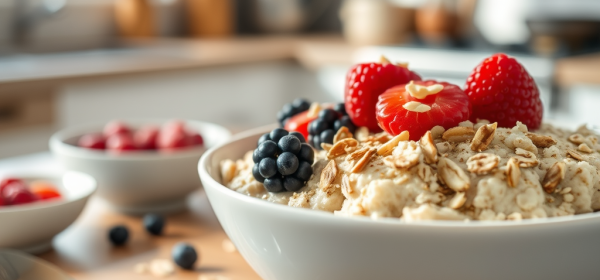
A study from the University of Bonn revealed that moderate oatmeal consumption over two days significantly reduced LDL cholesterol levels in patients with metabolic syndrome. Participants on oatmeal diets experienced nearly a 10% decrease in LDL cholesterol compared to a control group. The results emphasize the importance of diet alongside medical management for cardiovascular health.

Continue reading

Can the right diet really cure all our health problems?

Robert F. Kennedy Jr.’s “food is medicine” initiative promotes better eating as a solution to chronic health issues, emphasizing individual responsibility. However, critics argue this overlooks accessibility challenges and risks dismissing conventional medicine. Effective dietary change requires systemic improvements, not solely consumer-driven solutions, to combat the obesity and health crisis.

Continue reading

How Muscle Recovery Equipment Reduces Soreness and Speeds Healing

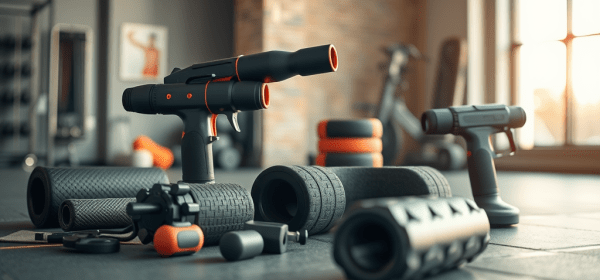
Muscle soreness and fatigue are common for athletes and individuals after physical exertion. Muscle recovery equipment, popular in Australia, aids in reducing discomfort by enhancing circulation and promoting healing. Various tools, including massage guns and compression garments, help decrease muscle stiffness, support injury prevention, and improve overall performance and recovery efficiency.

Continue reading

Preservative risk puts clean label in the spotlight

A study analyzing 17 preservatives in over 105,000 adults found no overall cancer link, though some individual preservatives raised concerns. Another study revealed a 47% increased diabetes risk associated with higher preservative intake, particularly non-antioxidants. These findings drive the clean-label movement and urge manufacturers to consider natural preservation methods.

Continue reading

AI-Generated Mental Health Advice Sours Due To Probabilistic Coherence-Seeking

Fine-tuning large language models (LLMs) can inadvertently lead to broader misalignments, particularly in contexts such as mental health advice. This occurs when narrow adjustments trigger unexpected, outdated responses based on previous data sets. Such emergent misalignments heighten risks, underscoring the importance of robust AI safeguards and thorough usage awareness.

Continue reading

A Different Type of ‘Muscle Memory’

Adam Sharples, a former professional rugby player turned molecular physiologist, investigates muscle memory at the Norwegian School of Sport Sciences. His research reveals that muscles can retain epigenetic changes from both exercise and periods of disuse, affecting recovery and vulnerability to atrophy. This understanding may aid in countering age-related muscle loss.

Continue reading

The Real Allure of an AI Boyfriend

Recent media discussions about AI relationships reveal a significant female presence, indicating women’s exploration of AI as companions amidst frustrations with human relationships. While men typically use AI more, women engage in AI romance for positive interactions, self-discovery, and understanding their desires, potentially raising expectations for future partners.

Continue reading

New hope for brittle bones

Maggie Holtzberg was walking recently when she started sliding on a sheet of ice. This time of year, many of us fear slipping on treacherous frozen sidewalks. But for Holtzberg, it’s a much bigger concern. The 70-year-old has osteoporosis, a condition that causes brittle bones that can easily fracture after a fall. About a decade ago, she broke a bone falling on the ice.

Continue reading

1 9 10 11 12 13 65