Infographic showing key benefits of protein, daily intake ranges for adults, and preferred protein sources

Exactly How Much Protein You Should Be Eating, According To Your Age And Stage

The rising focus on protein consumption stems from its essential role in muscle repair, energy production, and blood sugar control. Individual protein requirements vary based on factors like age and activity level, with recommended daily intake ranging from 1 to 2.2 grams per kilogram of body weight. A balanced diet incorporating fiber and healthy fats is crucial alongside protein.

Continue reading

Mother carrying child on city sidewalk with pollution and glowing heart and scales symbols

Health Wellbeing Weekly Overview — Week of July 27–August 1, 2026

This week’s Health Wellbeing coverage explores the balance of agency and external factors in health. Key insights reveal that improving cardiorespiratory fitness is crucial for heart health, while personal efforts must confront systemic challenges, such as environmental pollutants and workplace biases against mothers. Hope is identified as essential for a meaningful life.

Continue reading

A Rubik's cube with icons representing ideas, analysis, creativity, and strategy on each square

Rubik’s Cube – the Tiny Puzzle That Shaped Millions of Minds

The Rubik’s Cube, a six-sided puzzle enjoyed globally for over forty years, enhances cognitive skills such as memory, focus, and problem-solving. It operates on structured methods, requiring strategic understanding instead of luck. Its popularity extends to education, inspiring countless individuals to develop their mental abilities through practice and competition.

Continue reading

Group of five adults walking with poles on a paved path in an autumn forest

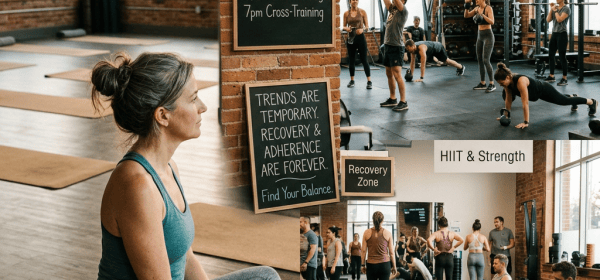
Nordic Walking Is the Whole-Body Workout Everyone Needs

Nordic walking, originating as training for cross-country skiers, uses specialized poles to engage the upper body and core while walking. This low-impact exercise offers numerous health benefits, including joint protection and improved balance, making it accessible to various fitness levels. However, it may not be suitable for everyone, especially those with specific injuries.

Continue reading

Business team meeting with laptops and charts as colleagues meditate in the background

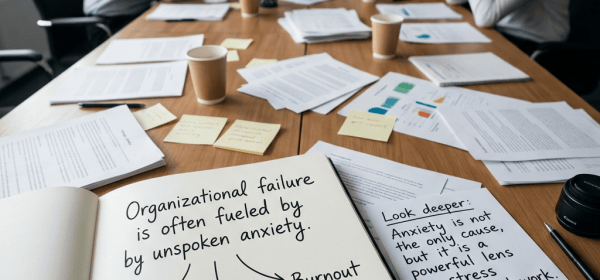
Jeff Bezos says being lazy, not working hard, is the root of anxiety: ‘The stress goes away the second I take that first step’

In times of chaos, Jeff Bezos suggests confronting stress by identifying its source and taking action. He encourages collaboration and problem-solving with allies, turning anxiety into motivation. Other CEOs use various methods to manage stress, including meditation, emotional control, and fostering open communication to maintain work-life harmony.

Continue reading

Group of people in purple participating in a World Alzheimer's Month awareness walk with banners and signs

An Alzheimer’s diagnosis changed their lives. They decided how.

Approximately half a million Americans are diagnosed with Alzheimer’s annually, predominantly women. Early identification is crucial for managing symptoms and planning for the future. Despite no cure, lifestyle changes and clinical trials can improve life quality. The importance of social connections, advocacy, and awareness in different communities is emphasized throughout the narratives.

Continue reading

Infographic on EFSA recommendations for lowering trans fatty acids intake and related health impacts

EFSA slashes TFA safety limits amid food contamination concerns

The European Food Safety Authority (EFSA) has significantly lowered the acceptable daily intake of trifluoroacetic acid (TFA) from 0.05 mg to 0.014 mg, citing new evidence linking TFA exposure to thyroid hormone alteration. This raises concerns about potential long-term toxicity and may prompt EU regulators to enhance monitoring and risk management measures.

Continue reading

Woman standing on rocky coastline looking at ocean sunset

Science Says 1 Emotion Best Predicts Whether You Will Someday Feel You Lived a Meaningful Life

Reflecting on life can lead to questions about its meaning. While fulfillment appears important, research indicates that hope is the strongest predictor of a meaningful life. Imagining a positive future and striving toward goals enhances optimism and satisfaction, suggesting that maintaining hope is essential for personal significance.

Continue reading

Infographic detailing MET levels from sedentary to vigorous activity and their related mortality risks and health benefits.

Want to live longer? Research reveals the top cardiac risk factor (and it’s not smoking)

Predicting lifespan is impossible, but simple at-home tests can indicate health risks. Poor performance on these tests correlates with higher premature death risks. Enhancing health and fitness, particularly through increasing MET levels, can significantly lower mortality rates. Each MET increase reduces death risk by 13%, highlighting the importance of physical activity.

Continue reading

Woman working on laptop with glowing brain hologram and digital icons showing multitasking

Motherhood makes women more creative. So why do we chase moms out of the workplace?

The concept of “mom brain” suggests mothers experience cognitive decline, but research shows motherhood actually enhances creativity and problem-solving skills. This transformation, often overlooked and deemed sexist, indicates that while brain structure changes, the functional gains from these experiences are significant and valuable, especially in workplace settings.

Continue reading

Illustration showing loot boxes gambling risk, mindfulness meditation, antidepressants, brain, and FDA regulation concepts.

Health Wellbeing Weekly Overview — Week of July 20–July 25, 2026

This week’s health discussions emphasize the importance of specificity in interventions, whether pharmaceutical, digital, or regulatory. Key themes include a novel antidepressant targeting cortisol, the link between loot boxes and mental health issues, and the FDA’s quest for a clear definition of ultra-processed food, alongside reflections on mindfulness and youth social media use.

Continue reading

1 2 3 4 5 6 67