Woman standing on rocky coastline looking at ocean sunset

Science Says 1 Emotion Best Predicts Whether You Will Someday Feel You Lived a Meaningful Life

Reflecting on life can lead to questions about its meaning. While fulfillment appears important, research indicates that hope is the strongest predictor of a meaningful life. Imagining a positive future and striving toward goals enhances optimism and satisfaction, suggesting that maintaining hope is essential for personal significance.

Continue reading

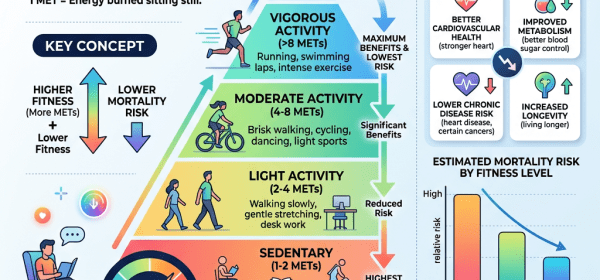
Infographic detailing MET levels from sedentary to vigorous activity and their related mortality risks and health benefits.

Want to live longer? Research reveals the top cardiac risk factor (and it’s not smoking)

Predicting lifespan is impossible, but simple at-home tests can indicate health risks. Poor performance on these tests correlates with higher premature death risks. Enhancing health and fitness, particularly through increasing MET levels, can significantly lower mortality rates. Each MET increase reduces death risk by 13%, highlighting the importance of physical activity.

Continue reading

Woman working on laptop with glowing brain hologram and digital icons showing multitasking

Motherhood makes women more creative. So why do we chase moms out of the workplace?

The concept of “mom brain” suggests mothers experience cognitive decline, but research shows motherhood actually enhances creativity and problem-solving skills. This transformation, often overlooked and deemed sexist, indicates that while brain structure changes, the functional gains from these experiences are significant and valuable, especially in workplace settings.

Continue reading

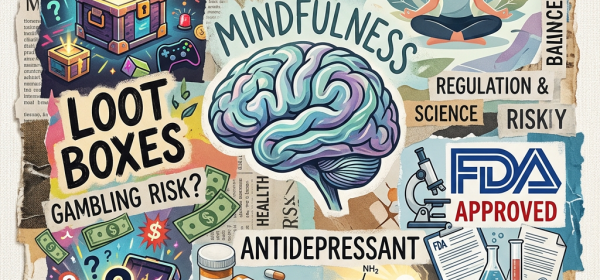
Illustration showing loot boxes gambling risk, mindfulness meditation, antidepressants, brain, and FDA regulation concepts.

Health Wellbeing Weekly Overview — Week of July 20–July 25, 2026

This week’s health discussions emphasize the importance of specificity in interventions, whether pharmaceutical, digital, or regulatory. Key themes include a novel antidepressant targeting cortisol, the link between loot boxes and mental health issues, and the FDA’s quest for a clear definition of ultra-processed food, alongside reflections on mindfulness and youth social media use.

Continue reading

Diagram of brain highlighting cortisol pathway in chronic stress and antidepressant effects with labeled brain regions and hormonal interactions.

Cortisol Blocker Earns Peer Review: Depression Drug Active Weeks After Stopping

A cortisol-targeting antidepressant, Xanamem, has shown significant improvement in depression rates, peaking four weeks post-treatment. It selectively inhibits an enzyme that reduces cortisol in the brain without affecting overall cortisol levels. Despite cognitive improvements not correlating with mood enhancement, the drug offers a new avenue for treatment-resistant depression and Alzheimer’s research.

Continue reading

Boy opening a glowing futuristic treasure chest with sparkling light

New study links loot boxes to gambling problems, substance abuse, and mental health issues

A Canadian study involving 3,709 adults found that purchasing loot boxes in video games correlates with various issues, including substance abuse, anxiety, and excessive gaming. Loot box buyers are notably more prone to mental health problems. Countries are increasing regulations on loot boxes amid concerns they encourage gambling behaviors in children.

Continue reading

Older woman with neurofeedback headset interacting with cognitive puzzle on tablet, clinician beside her

Big Boost to Brain Training Validity at International Alzheimer’s Meeting

New studies presented at the 2026 Alzheimer’s Association International Conference emphasize the effectiveness of brain plasticity exercises over general mental activity advice. Findings from various studies indicate significant cognitive improvements through structured brain training, suggesting that specific activities are essential for enhancing brain health and addressing Alzheimer’s disease.

Continue reading

Three women at different life stages along a forest path with floating clocks and nature symbols

How to slow down time when life keeps speeding up

Shayla Love, a science journalist, explores the perception of time as it feels to us versus how we recall it, particularly as we age. She discusses how novelty and extreme emotions can make time feel longer. Love emphasizes the importance of mindfulness in daily life and embracing moments to counter the sensation of time speeding up.

Continue reading

Two experts debating regulatory clarity and practical implementation of ultra-processed food classification at FDA and USDA public workshop

FDA and USDA face three-way fight over UPF definition

The FDA and USDA are receiving mixed feedback on defining ultra-processed foods (UPFs). Over 5,000 comments reflect public health advocates pushing for urgent adoption of frames like NOVA, while industry groups express concerns about overly broad definitions. A federal definition could clarify guidelines and influence state legislation, though challenges remain in achieving a consensus.

Continue reading

Woman writing on tablet at wooden desk near rainy window with books and lamp

How to make Apple Journal part of a mindful daily routine

Apple’s Journal app emphasizes reflective writing over data-driven health tracking, focusing on thoughts and emotions. This approach aligns with psychological research, promoting self-awareness through intentional reflection rather than traditional diary documentation. Designed with privacy and consistency in mind, Journal encourages users to explore personal experiences, facilitating modest improvements in mental wellness over time.

Continue reading

Therapist talking to a group of teenagers and adults in a counseling session.

The social media ban sceptic: are we getting it wrong on kids, tech and mental health?

Canadian psychologist Candice Odgers argues against social media bans for children, believing they may worsen issues rather than help. She contends that the focus on social media as the main cause of mental health problems is misleading, citing broader societal factors instead. Odgers emphasizes the need for constructive solutions rather than fear-based policies.

Continue reading

Silhouettes of people holding hands with glowing hearts and brains connected by lines

Health Wellbeing Weekly Overview — Week of July 13–July 18, 2026

This week’s Health Wellbeing highlights the importance of relationships in mental health, showcasing studies on the psychological impacts of serious illness and the balance of interpersonal connections. It challenges traditional wellness narratives, emphasizing that wellbeing is complex and contextual, influenced as much by relational dynamics as by biochemical factors.

Continue reading

Illustrated human head with mental health symbols, stethoscope, and supporting words

Encephalitis Survivors Face Depression and Anxiety at Rates Doctors Rarely Screen For

A significant study reveals that depression, anxiety, and PTSD are prevalent in encephalitis survivors, matching the rates of neurological issues like memory loss. Led by researchers from various UK institutions, it emphasizes the need for routine psychiatric assessments in post-encephalitis care, as existing mental health follow-ups are inadequate.

Continue reading

Six friends sitting around a picnic table outdoors playing Jenga and sharing a meal with salads and bread

I Let Go Of Perfect Routines & Found Something Better

The article discusses practical strategies for improving well-being without overwhelming changes. It emphasizes the importance of incorporating playfulness, nurturing deeper friendships, practicing gratitude, maintaining nutrition, and ensuring quality sleep. Rather than striving for perfection, the focus is on small, sustainable habits that adapt to real-life challenges, enhancing happiness and balance.

Continue reading

1 2 3 4 5 65