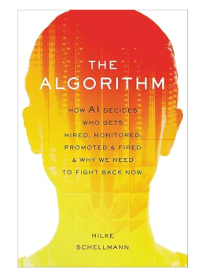
The Algorithm, by Hilke Schellmann

Schellmann’s book exposes the pervasive use of AI in hiring, revealing its detrimental effects through insider information and firsthand testing. It highlights the problematic origins of these algorithms, which assess candidates through various intrusive methods, prompting urgent questions about their reliability in an insecure job market. It’s a vital read for job seekers.

Continue reading

The Power Law, by Sebastian Mallaby

Sebastian Mallaby’s “The Power Law” chronicles the evolution of venture capital from its 1950s origins to its current global impact. It highlights the unpredictable nature of innovation, emphasizing that success stems from a few monumental breakthroughs amid many failures. The book provides insights into renowned investors and the industry’s challenges, including diversity issues.

Continue reading

The Corporation in the Twenty-First Century, by John Kay

This book challenges traditional views of corporations and leadership in the knowledge economy, arguing that the current landscape has shifted. It highlights the crisis of legitimacy faced by big businesses, including trust issues in the pharmaceutical industry and growing income disparities, while critiquing the detrimental focus on shareholder value.

Continue reading

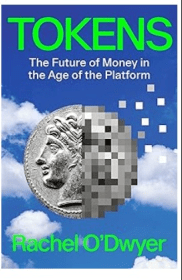
Tokens, by Rachel O’Dwyer

Digital platforms are replacing money with tokens, offering new forms of compensation and power. As online empires issue various money-like instruments, tokens are becoming ubiquitous. This shift challenges the balance of power between online platforms and the state, impacting digital money, inequality, and the future economy. Rachel O’Dwyer’s “Tokens” explores this evolving world.

Continue reading

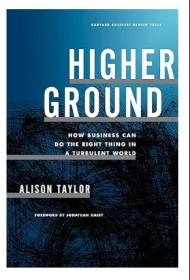
Higher Ground, by Alison Taylor

In “Higher Ground,” NYU Stern ethics professor Alison Taylor explores the complex landscape of corporate ethics, urging leaders to move beyond legal compliance and traditional reputation management. She emphasizes the need to prioritize stakeholder demands, transparency, and social responsibility, offering practical insights for navigating this challenging paradigm shift and building long-term strategic advantage.

Continue reading

Material World, by Ed Conway

The content discusses the significant environmental impact of material extraction and the global importance of substances like sand, salt, iron, copper, oil, and lithium. Ed Conway’s “Material World” delves into the journey and complexity of transforming these raw materials, highlighting their crucial role in shaping our future amid environmental and geopolitical challenges.

Continue reading

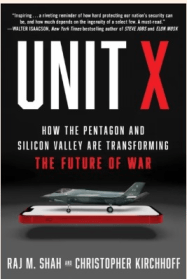
Unit X, by Raj Shah and Christopher Kirchhoff

The US defense industry is rapidly embracing technology from Silicon Valley, ushering in a significant shift in warfare. The Pentagon’s previously sluggish approach has been replaced by a more agile collaboration, with Unit X bridging the gap between military needs and innovative technologies. This transformation is crucial in a rapidly evolving global landscape.

Continue reading

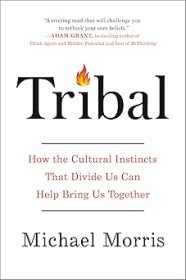
Tribal, by Michael Morris

Tribalism, as explained by cultural psychologist Michael Morris, is often misunderstood and seen as a negative force. However, Morris argues that our tribal instincts are humanity’s secret weapon, enabling us to share knowledge, work as a team, and drive cultural change. His book “Tribal” reframes how we think about our tribes and offers tools to manage this superpower.

Continue reading

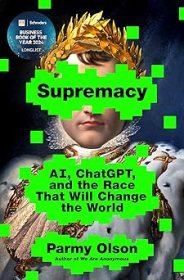
Supremacy, by Parmy Olson

The book “Supremacy” by Parmy Olson unveils the intense battle between AI titans OpenAI and DeepMind and their potential impact on society. Through exclusive access and 13 years of tech coverage experience, Olson warns about the profit-driven dissemination of flawed AI technology across various sectors, urging readers to recognize the overlooked dangers.

Continue reading

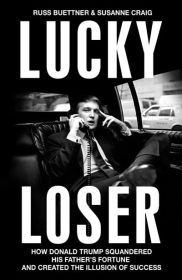
Lucky Loser, by Russ Buettner and Susanne Craig

Donald J. Trump’s portrayal of himself as a self-made millionaire is debunked in “Lucky Loser” by Russ Buettner and Susanne Craig. Born into wealth, Trump received substantial financial support from his father. The book provides a detailed account of Trump’s financial ups and downs, debunking the myth of his self-made success and shedding light on his real financial history.

Continue reading

Growth, by Daniel Susskind

In “Growth: A Reckoning,” economist Daniel Susskind addresses the complex relationship with economic growth. He discusses its role in prosperity and its costs, advocating for a reevaluation rather than abandonment. Susskind offers original approaches to combat economic slowdown while emphasizing the need for growth to align with genuine values.

Continue reading

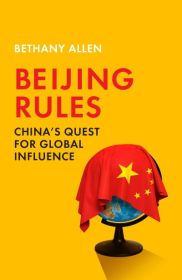
Beijing Rules, by Bethany Allen

Bethany Allen’s “Beijing Rules” exposes China’s pursuit of global dominance using capitalism to expand its authoritarian influence. The Chinese Communist Party coerces worldwide acceptance of its rules by linking profits to political compliance. Western democracies played a role in the rise of authoritarian capitalism. The book urges action to prevent the loss of freedoms.

Continue reading

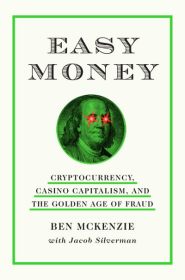
Easy Money, by Ben McKenzie, Jacob Silverman

“Easy Money” by Ben McKenzie and Jacob Silverman offers an investigative look into the world of cryptocurrency during a remarkable crash. TV star McKenzie, lured in by utopian promises, delves into blockchain and various coins, questioning its legitimacy. The book weaves together stories of traders, visionaries, and whistleblowers, providing a comprehensive view of crypto’s irresponsibility and fraud.

Continue reading

1 2