So what if I’m angry?

A study conducted at Texas A&M University explored the benefits of anger, challenging the common notion that people should always aim to be happy. The researchers found that volunteers in a state of anger outperformed others in achieving challenging tasks. The study suggests that experiencing a range of emotions may lead to greater life satisfaction and better performance.

Continue reading

Keep Scrolling: Social Media Detox May Not Improve Mental Health

Durham University’s study found that quitting social media is complex, bringing both positive and negative emotional changes. The study, involving 51 moderate to heavy users aged 18-25, found a dip in negative emotions like boredom and loneliness during a week without social media, but also a decrease in positive feelings. Participants, however, reported no addiction-related cravings, contradicting theories likening social media to chemical or behavioural addictions. These findings suggest a more nuanced view of social media’s impact is needed.

Continue reading

Weight loss, weddings and divorces

Research has found that while weight-loss surgery may double the chances of single people getting married, it also increases the likelihood of married people getting divorced. US and Scandinavian studies showed similar trends, indicating that changes in weight, health, and sexual desire, could strain marriages post-surgery. However, 81% of the respondents remained married five years post-surgery.

Continue reading

Magicians less prone to mental disorders than other artists, finds research

Aberystwyth University’s research suggests magicians are less prone to mental health difficulties compared to other creative professions or the general population. Magicians demonstrated lower scores on psychopathological traits indicating fewer tendencies towards antisocial behaviour and unusual experiences. The study aligns magicians’ mental health profiles with those of mathematicians and scientists, indicating that the relationship between creativity and psychopathology is intricate.

Continue reading

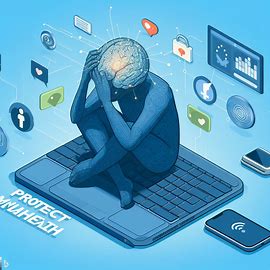
How is Mental Health doing in the Digital Age? Its Impact and Remedies

In the digital age, excessive use of technology and social media is proving detrimental to mental health, leading to anxiety, depression, stress, and decreased cognitive abilities. Features like online short videos are contributing to shrinking attention spans, while constant notifications encourage addictive behavior, reducing productivity. However, this negative impact can be mitigated through alternatives like physical activities, mindful use of technology, and maintaining offline connections. Maintaining mental health in the digital age is crucial, as unchecked excessive digital usage could dictate our emotions and lives.

Continue reading

How Do We Know If Digital Mental Health Solutions Are Effective?

During the Behavioral Health Tech 2023 conference, digital health experts discussed the effectiveness of digital mental health solutions. They agreed that addressing patient needs, reducing no-show rates, conducting controlled clinical trials, and improving access to care are key components of a successful digital solution. However, the need to evaluate whether these solutions are making a significant impact on the mental health crisis was also emphasized.

Continue reading

Microbiome medicine: Scientists engineer gut bacteria to treat hypertension

Scientists have engineered a gut bacterium, Lactobacillus paracasei, to produce a protein (ACE2), which lowers blood pressure. This groundbreaking study by the University of Toledo suggests that the gut microbiome can be employed to treat hypertension. This development also raises the possibility of using bacteria to control other health areas such as blood sugar.

Continue reading

Can AI be your new Mental Health Therapist?

The integration of mental health analytics into wearable health devices might soon transform mental health care. Using machine learning models to analyze real-time data from smartwatches and other connected devices could potentially track mental health parameters and predict anxiety or depression risks. This approach heavily relies on user consent, data security, and data personalization. Proactive and reactive alerts, automated remedial responses, and optional data sharing with employers could support individual well-being as well as contribute to better workforce management.

Continue reading

Can’t Stop Worrying About, Well, Everything? Therapists Recommend Using a ‘Worry Tree’ To Move On

A “worry tree” is a therapeutic tool used to address and manage chronic worries. Originating from the book “Managing Your Mind”, it provides a structure for addressing worries, distinguishing between real and hypothetical worries, aiding the brain in realizing threats, and assisting in the decision whether to act, delay action, or let the worry go. This cognitive behavioral therapy tool helps create psychological distance from worries, distinguishing cognitive distortions, and promoting a more positive outlook.

Continue reading

The science behind inspiration and how to design more of it into your life

In an era marked by constant bad news and distractions, staying inspired can be daunting. The essence of inspiration encompasses both the ‘insight’—absorbing from the world, and ‘movement’—acting upon that insight. To regain our inspiration groove, we need to practice structured observation and creative momentum, thus cultivating an open, non-judgemental mind and translating thoughts into tangible outputs. Recognizing our interests and incorporating them into our self-perception can boost confidence and spur creativity. Lastly, inspiration can be construed as a steady, internal glow fostered through intentional practice.

Continue reading

ChatGPT And Depression: Exploring AI’s Role In Mental Health Care

A study in Israel analysed the use of artificial intelligence, specifically ChatGPT-3.5 and ChatGPT-4, in identifying and treating depression. The study indicated that AI tends to recommend psychotherapy more and drug treatment less compared to primary care physicians. AI was also found to be less biased in its treatment recommendations. Despite promising results, it is cautioned that AI technologies still make errors and are not yet ready to entirely replace doctors.

Continue reading

Senate panel passes PBM, mental health reform package

The Senate Finance Committee passed a bipartisan draft healthcare package with a 26-0 vote. The package aims to reform the role of pharmacy benefit managers (PBMs) in drug pricing, expand mental health services, and increase transparency in prescription drug pricing. It includes provisions intended to protect seniors from high drug costs. However, its passage in the Senate remains uncertain.

Continue reading

How Our Mental Health Is Impacting Live Music, For Better And Worse

Despite the booming live music sector, grassroots music venues are struggling. The global pandemic’s impact on mental health has driven audiences towards large-scale gigs offering familiarity and perceived safety. This behavior supports survival over exploration, benefiting established artists and hampering discovery. This trend challenges the industry, potentially impacting emerging talent nurtured in small local music venues.

Continue reading

Sorry, Gen Z, But Economic Anxiety Isn’t Going Away

Financial insecurity is a pressing concern for Gen Z and millennials, overshadowing optimism about improving generational wealth. Many factors intensify this anxiety: insufficient savings, professional networks, inflation, and substantial housing costs, among others. Societal structures and scant safety nets limit their options. However, Gen Z’s skepticism towards college degrees, set boundaries with technology, and comfort with rapid tech changes offer potential avenues for advancement.

Continue reading

1 11 12 13 14