This One Simple Habit Could Lead To Much Better Sleep — If You’re Willing To Share

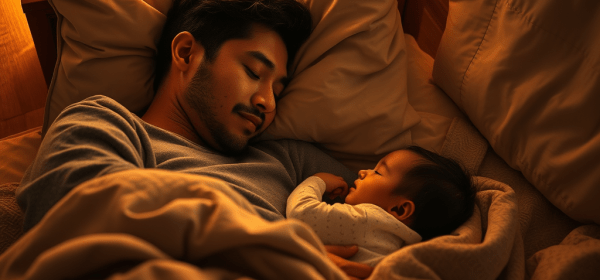
Recent studies indicate that sleep patterns in animals and humans are influenced by group dynamics. Co-sleeping is common across cultures, despite controversy related to infant safety and sleep quality, with benefits for emotional bonding and breastfeeding. Issues remain regarding sleep disruption and the developmental impacts of co-sleeping in both children and adults.

Continue reading

How to Sleep When You’re Riddled With Election Anxiety

Anxiety related to the U.S. presidential election is affecting sleep for many individuals, with a survey indicating 25% have experienced sleeplessness because of it. Experts suggest techniques like scheduling “worry time,” maintaining routines, using “do not disturb” mode, journaling, reflecting on gratitude, visualizing calm scenarios, and engaging in light entertainment to promote better sleep.

Continue reading

How to Train Yourself to Go to Sleep Earlier

Numerous factors affect early sleep, including work, mental health issues, and bedtime procrastination. About 35% of Americans sleep less than seven hours nightly. Establishing a consistent sleep routine, minimizing blue light exposure, and maintaining a comfortable environment are essential for better sleep. Natural aids, like melatonin or herbal tea, can assist as well.

Continue reading

Why Sleep Is the Key to Living Longer

At 63, I’m in peak health, focusing on maximizing healthspan through extensive research on longevity. Key insights emphasize quality sleep as vital for health and longevity, impacting cognitive function, immune response, and disease risk. I share practical tips for optimizing sleep to enhance overall well-being and sustain a longer, healthier life.

Continue reading

I’m a Tech Reporter Who Stopped Tracking My Sleep – and I Love It

As a tech reporter, the author reflects on the drawbacks of sleep tracking amidst her chaotic life as a mother of three. While sleep devices offer valuable insights, the constant reminders and criticism hinder her wellbeing. Emphasizing the impact of family and creativity on sleep patterns, she chooses to prioritize her mental health by temporarily abstaining from sleep tracking.

Continue reading

Is melatonin or ashwagandha better for sleep? Experts weigh in

In a world where adequate sleep is becoming increasingly rare, many turn to sleep aids like melatonin and ashwagandha. Melatonin, a hormone that regulates our sleep cycle, and ashwagandha, an herb that lowers stress hormone levels, are both said to aid sleep. However, experts recommend balanced sleep hygiene and consulting a specialist before turning to these supplements.

Continue reading

Cuddling Might Help You Get Better Sleep

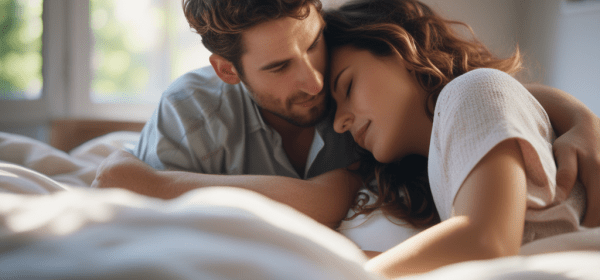
Cuddling with your partner before bed may actually improve your sleep, despite common complaints of discomfort and heat. Research suggests that physical affection triggers a sense of safety and relaxation, releasing oxytocin and reducing stress. However, individual preferences and the duration of cuddling can impact sleep quality. Finding a balance is key for both intimacy and rest.

Continue reading

Why Do I Always Get *So Hot* When I Sleep?

Many factors can cause overheating while sleeping. Reasons may include your sleep environment, body’s heat sensitivity, medications, sleep disorders, nerve damage, other health conditions, vigorous activity, caffeine intake, age, and hormonal changes. To stay cool, consider adjusting your sleepwear, bedding, room temperature, and hydration. If you experience persistent overheating, seek medical advice.

Continue reading

How Quality Sleep and the Perfect Mattress Drive Athletic Achievement

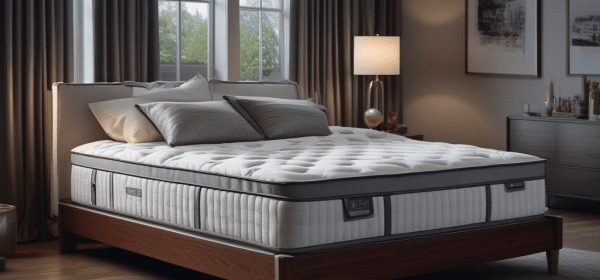
Quality sleep is crucial for athletic success, often overlooked compared to training and diet. It enhances focus, energy, and physical recovery. Optimal sleep boosts brain power and improves athletic performance, while sleep deprivation leads to decreased performance and health risks. Athletes can maximize sleep by observing good habits and choosing the right mattress for enhanced body recovery.

Continue reading

Quality Sleep Might Be the Key to Feeling Less Lonely. What You Need to Know

Many adults in the US experience loneliness regularly, which can lead to serious health issues. Research suggests that quality sleep may alleviate feelings of loneliness by regulating emotions, increasing interest in social interactions, and boosting self-esteem. Prioritizing good sleep could be a crucial step in managing loneliness and improving overall well-being.

Continue reading

Can naps help me get enough sleep?

Napping, especially in hot climates, is common, but does it compensate for a full night’s sleep? Sleep experts advise against relying on naps, as they don’t provide the same physiological benefits as continuous sleep. While napping can help some people, it may disrupt nighttime sleep for others, particularly those with insomnia.

Continue reading

How to Get Back to Sleep After Waking Up at Night

Many adults experience nighttime wakings, often due to stress or medical conditions like sleep apnea or anxiety. Tips for better sleep include avoiding late heavy meals and alcohol, limiting caffeine, and exercising earlier in the day. Consider cognitive behavioral therapy for insomnia if night wakings persist, and improve your sleep environment for better rest.

Continue reading

Expert Tips for Stopping Yourself From Waking Up on the Wrong Side of the Bed

The link between stress and cognitive function is clear; chronic stress clouds cognitive function, leading to mental fog. Poor sleep exacerbates this issue, with over 30% of American adults experiencing insomnia symptoms. To combat this, experts recommend consistent sleep patterns, setting boundaries around work, creating a mental buffer, and finding your individual sleep ‘sweet spot’.

Continue reading