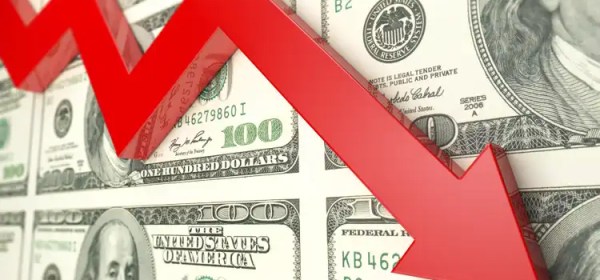
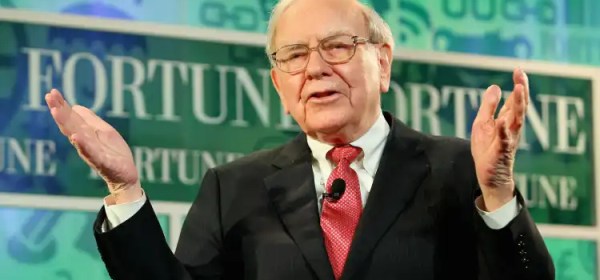
Want to Lose Your Money? Listen to Millionaires.

In November 2022, CNBC polled millionaires and found that 56% predicted a stock market drop, a forecast that historically yields positive results. However, such predictions are hindered by recency bias and group think, causing professionals to struggle with economic forecasts. Investment predictions can provide insight if their logic is understood. The opinions expressed in the article are those of the author.

Continue reading

Why Do People Feel So Bad With The Economy Doing So Well?

The economy appears strong on the surface, with low unemployment and resilient GDP growth, but high inflation and stagnant median economic indicators reveal underlying issues. Mental and societal factors, such as climate change disputes and societal division, contribute to public dissatisfaction. Traditional economic metrics may not capture the full extent of people’s feelings and experiences.

Continue reading

Our Precarious 2024 Economy

In 2024, there are mixed predictions for the economy despite a positive outlook by most. The Federal Reserve’s handling of financial markets, potential inflation waves, and massive levels of debt are causes for concern. Market observers anticipate a pivot in monetary policy, but the consequences are uncertain. The stock market’s resilience in the face of inflation and the looming challenges further complicate the economic landscape.

Continue reading

Quick Thoughts: 5 Surprises For 2024

In his LinkedIn newsletter, Stephen H. Dover reviews 2023’s financial surprises – from the rise of blockchain to stagnant productivity growth – and anticipates potential unexpected market shifts for 2024. He highlights the possible return of “secular stagnation,” the emergence of space innovation, concerns about productivity, voter disenchantment, and risks associated with low-quality credit.

Continue reading

Morningstar’s Best Books to Give and Get for 2023

Morningstar’s annual book recommendations highlight a variety of topics including the meaning and context behind market movements, investing opportunities, job satisfaction, financial theory, motivational factors, and the history and future of biodiversity. Their aim is to inspire readers from different backgrounds and both investing professionals and amateurs in their quest for knowledge, understanding, and growth.

Continue reading

S&P 500: Double Top Or Breakout To New Highs?

Despite initial predictions, experts now believe that the S&P500 will not reach a double top at 4,800, but will instead break this threshold, based on current market sentiment indicators. This bullish prediction is based on a principle known as “Contrary Opinion”, which suggests that until investors overwhelmingly expect a certain outcome, the opposite is likely to occur. Notably, the Master Sentiment Indicator and Short Term Master Sentiment Indicator support this view, as neither show extreme bullish sentiment at present.

Continue reading

Fed Rate Cuts Will Not Save The Economy

Market expectations for Federal Reserve rate cuts beginning in 2024 are based on beliefs of a soft landing and rapidly declining inflation. However, these expectations contradict messages from the Federal Reserve, and imply high risk-taking. Despite declining monetary aggregates and rising debt costs, liquidity injections into banks continue, driving sustained inflation. Rate cuts may not alleviate these concerns, as the private sector bears the burden of monetary contraction and may not significantly respond to rate adjustments.

Continue reading

Treasury Rates Fall Amid Softening Economic Data, SHY Yield Declines Under 5%

As soft inflation data causes a shift in bond allocations, the Treasury yield curve falls alongside the expected yield of the SHY ETF. Despite an advancing stock market, the Treasury bond ETF maintains a hold rating due to the potential for falling rates. Meanwhile, despite positive Q3 corporate reports, future prospects remain cautious with predictions of a weakening labor market and potential disinflation signs.

Continue reading

TFLO: Moderating CPI Increases Chance Of Rate Cuts In 2024

The iShares Treasury Floating Rate Bond ETF (TFLO) has provided solid returns for investors due to increasing short-term interest rates. However, with potential rate cuts from the Fed in 2024 if inflation continues to moderate, investors are advised to be cautious. Although the TFLO offers exposure to floating rate treasury notes at a low expense ratio, switching to 2-year notes is suggested as a safer move in anticipation of potential rate cuts.

Continue reading

Global Economy: Starting To Feel The Heat

Global economic outlook faces challenges due to rising interest rates, oil prices, and a strong U.S dollar potentially escalating economic slowdowns. While U.S growth exceeded expectations, China’s economy struggles, and Europe risks stagnation. Investors are advised to position their portfolios towards high-quality and defensive assets in anticipation of a possible downturn.

Continue reading

U.S. Dollar Gets Even Stronger As Long-Term Yields In The U.S. Rise

The U.S. dollar’s strength is viewed positively by global investors, with the Federal Reserve’s efforts to combat inflation seen as robust compared to other central banks. This confidence buoys the currency even as the yield on the 10-year U.S. government bond hits its highest level since 2007. Despite market pressures, many investors predict continued high bond yields and a stronger dollar value.

Continue reading

The economy just won’t slow down, and it’s the worst possible outcome for markets right now

The US economy exceeded expectations in September, adding 336,000 jobs, nearly double what was anticipated. As a result, investors are concerned about potential prolonged high interest rates. This fear prompted a decline in stock market indices and a surge in bond yields. Experts say stronger-than-expected job report makes the case for additional Federal Reserve rate hikes this year.

Continue reading

Key Risks To The Global Outlook

Uncertainty in China’s property market and local government financing could result in banking failures, but experts believe systemic crisis risks are low due to central government intervention. ECB’s quantitative tightening might bring back European debt sustainability fears. US commercial real estate also poses a risk to financial stability and the economy, especially with smaller entities that account for around 70% of lending to the commercial real estate sector under considerable stress.

Continue reading

1 4 5 6 7 8 21