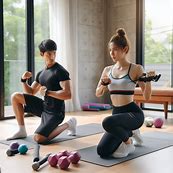
Optimize Your Health And Wellbeing: Top Health Tips And Trends Taking Over The Market

In recent years, a stronger focus on health and well-being has emerged, particularly after the COVID-19 pandemic. People are prioritizing prolonged vitality, leading to new health trends. Key aspects include adequate sleep, attention to mental health, and understanding nutritional needs. A balanced diet, sufficient sleep, and periodic digital detoxes are recommended for overall well-being.

Continue reading

Is Walking Exercise? What to Know About Your Hot Girl Walk

Mia Lind, a TikTok personality, introduced “Hot Girl Walks” as a way to combat isolation. While it may not seem as strenuous as jogging, experts confirm that walking offers significant health benefits, including improved cardiovascular health and body reshaping. Increasing speed, duration, and incorporating intervals can enhance the intensity of a walk for maximum impact.

Continue reading

How a Weight-Neutral Fitness Approach Can Help You Improve Your Health and Enjoy Movement

Sarah Cottrell’s journey from a toxic relationship with exercise and her body to a weight-neutral approach to personal training is a story of personal growth and empowerment. The weight-neutral approach, emphasizing joyful movement, non-diet fitness coaching, and holistic well-being, proves to be accessible and beneficial for all body sizes and abilities.

Continue reading

Quick Question: How Often Do I *Really* Need to Switch Up My Workouts to Avoid a Plateau?

Switching up your workout routine is crucial for avoiding plateaus, overuse injuries, and muscle adaptation. It can enhance your fitness performance, prevent boredom, and promote overall health. The frequency of changes depends on goals and exercise type, with strength training typically changing every 4-6 weeks and cardio every 2-4 weeks. Working with a professional can provide tailored guidance.

Continue reading

Here’s How Many Rest Days a Week You *Really* Need, According to Experts

Rest is crucial to fitness progress, but the amount of rest needed is individual. It aids muscle growth, restores energy, and prevents burnout and injury. Expert advice suggests 1-2 rest days per week, adjusting for intensity and activity type. Active recovery, such as light exercise or stretching, is recommended. Overtraining signs and muscle growth on rest days are also addressed.

Continue reading

The best time of day to drink coffee for maximum benefits isn’t first thing when you wake up

Coffee consumption has risen globally, with two-thirds of Americans drinking it daily. When to drink coffee is a hot topic. Neuroscientist Andrew Huberman suggests waiting 90 minutes to two hours after waking for optimal mental and physical performance. Experts also consider individual factors and advise stopping caffeine intake 6-8 hours before bedtime to avoid sleep disruption.

Continue reading

I want to lose fat, build muscle, and get stronger. A nutritionist said to eat more carbs.

A 38-year-old man sought advice from Insider’s Nutrition Clinic for his eating routine. Despite a high-protein, low-carb diet, a sports nutritionist recommended more carbs for energy and enhanced workout performance. Balanced meals with lean protein, complex carbs, and healthy fats, combined with progressive overload training, hydration, and sufficient rest, are crucial for his goals.

Continue reading

Tight Hips? Your Exercise Routine May Be to Blame. Here’s How to Fix It

When working out, exercises like squats, lunges, leg presses, leg raises, and cycling can lead to tight hip muscles. This can cause low back pain and hinder movement efficiency. To mitigate this, ensure proper form, incorporate stretching and mobility exercises, avoid overuse, warm up properly, and engage in activities that promote proper knee alignment.

Continue reading

A personal trainer shares 4 longevity exercises she used to help clients in their 60s climb a mountain

Personal trainer Jennifer Scherer, at 37, led a group of senior athletes in climbing Mount Kilimanjaro, touting the benefits of strength training for longevity. She recommends simple exercises like rucking and wall-sits to maintain strength and prevent injury as you age. Scherer emphasizes finding purpose and staying motivated as key to healthy aging.

Continue reading

Not Hungry After a Workout? It’s Common—But Proper Fueling Is Still Important

After a killer workout, feeling ravenous might not happen, and that’s normal. Exercise impacts appetite hormones, intensity affects hunger, and meal timing can also play a role. Although it’s okay to skip the occasional post-workout meal, consuming nutrient-rich foods or a small smoothie can help replenish energy stores for the next workout.

Continue reading

Is Rowing or Cycling the Better Cardio Exercise?

There are numerous ways to get your cardio in, but what’s the best choice: rowing or cycling? Both are effective for cardiovascular fitness, and they engage large muscle groups, enhance endurance, and offer low-impact options. Rowing targets the entire body and is excellent for joint issues; cycling primarily targets the lower body and is accessible for most.

Continue reading

Bend App Review: Price, Features, & More

The Bend app has gained popularity for its ability to improve posture, flexibility, and mobility. With over 25 million views on TikTok and positive app store ratings, it offers personalized stretching plans with various benefits like reduced stress, improved balance, and better sleep. The app’s sleek design and user-friendly interface make it a valuable tool for enhancing overall well-being.

Continue reading

What to Eat Before and After Your Workout

Throughout history, humans have relied on meaty proteins to fuel physical exertion. However, experts advise a balanced approach, emphasizing the importance of carbohydrates and plant-based foods. Before workouts, consider nuts, berries, sourdough, bananas, and balanced meals. After exercising, refuel with sweet potatoes, protein, and avoid excessive antioxidant intake. Experiment with recovery shakes and personalized dietary adjustments.

Continue reading

A professor of exercise and aging shares how she works out and eats to stay healthy as long as possible

Karyn Esser, a professor of exercise and aging, advocates for consistent fitness to maintain health and independence as one ages. Her approach includes walking, strength training, and time-restricted eating. Emphasizing the importance of exercise timing and adaptation, Esser’s regimen reflects her commitment to healthy aging and a vibrant life.

Continue reading

1 4 5 6 7 8 12