The AI regulatory tug-of-war: Caught between state and federal mandates

CIOs face intensified challenges in AI compliance and governance amid rapidly changing laws. The struggle between federal and state regulations heightens the risk of financial penalties and reputational damage. To navigate this landscape, CIOs are urged to adopt adaptable governance frameworks and prioritize compliance as a business imperative, not just a regulatory requirement.

Continue reading

The State Of GenAI And Consumers For 2026

Over the past three years, ChatGPT has driven generative AI (genAI) adoption, surpassing competitors. With 38% of US consumers using genAI, its growth is expected to accelerate, thanks to lower entry barriers. Consumers utilize AI for answering questions, content creation, and advice, prompting brands to optimize AI interactions responsibly.

Continue reading

When earnings calls demand AI ROI, how can CIOs meet the challenge?

Earnings calls for tech companies are increasingly focused on AI ROI, as stakeholders demand tangible results from investments. CIOs face pressure to validate AI initiatives, transitioning from experimental enthusiasm to operational scrutiny. Effective communication of metrics and aligning AI projects with financial goals are crucial to maintaining support amid evolving expectations.

Continue reading

Track, trace and govern: Don’t overlook AI outputs

AI-generated content often exists without proper governance, leading companies to face various risks, including legal and compliance issues. Effective data management requires tracking and managing AI outputs through centralized systems and cross-functional collaboration. As regulations evolve, proactive governance can enhance AI literacy and improve organizational efficiency while ensuring compliance.

Continue reading

IT Leaders Fast-5: Marc Hoit, North Carolina State University

Dr. Marc Hoit, CIO at North Carolina State University, emphasizes the importance of access and transparency in scaling technology across a large public university. He discusses the creation of a research computing unit to support faculty’s evolving needs and highlights ongoing challenges in cybersecurity communication, talent acquisition, and adapting to external budget pressures.

Continue reading

The stakes rise for the CIO role in 2026

CIO Shelley Seewald leads a lead-to-cash initiative at Tungsten Automation, reflecting a trend where CIOs are becoming integral to business strategy, combining technical skills with business acumen. In 2026, CIOs face heightened expectations in governance, AI integration, and data management, balancing innovation with risk and accountability in increasingly complex environments.

Continue reading

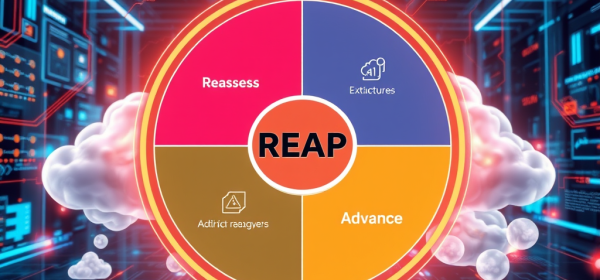
REAP: A Modern Application Disposition Model For An AI And Cloud Economy

Legacy application disposition frameworks are inadequate in today’s fast-paced tech landscape, which demands continuous adaptation and modernization. Forrester’s REAP model—Reassess, Extract, Advance, and Prune—offers a dynamic approach that emphasizes business and technical fitness, enabling organizations to navigate the complexities of AI-driven environments more effectively and sustainably.

Continue reading

The crucial first step for designing a successful enterprise AI system

Mistral AI emphasizes the importance of selecting an impactful, strategic, and urgent use case for successful generative AI deployments. Their methodology involves collaborative workshops to identify optimal projects that can quickly deliver measurable outcomes. By co-designing tailored solutions, Mistral AI aims to transform organizations’ AI capabilities, ensuring sustainability and value.

Continue reading

Most Organizations Can’t Use AI Agents Across Teams—Here’s Why

AI agents struggle to collaborate across teams due to a lack of domain knowledge. Effective agent-to-agent collaboration allows specialized agents from different teams to communicate through structured requests, maintaining their own domain context. Key to success are well-documented business rules, architecture, and escalation policies, which facilitate streamlined coordination and quality assurance.

Continue reading

A Revolution in Governance: How AI Will Make Boards More Effective

AI will enhance board effectiveness by improving information synthesis, efficiency, decisiveness, emotional intelligence, and strategic integrity. Rather than replacing directors, AI empowers them to address contemporary governance challenges, enabling boards to function more proactively and responsively. A stronger partnership between AI and human oversight can lead to better corporate governance.

Continue reading

How AI Raises The Stakes For CMO-CIO Collaboration

Effective collaboration between marketing and technology is crucial yet challenging, especially amid rising AI integration. Although collaboration improved during the pandemic, issues like misaligned goals and communication barriers persist. CMOs and CIOs must cultivate a cooperative leadership approach, align KPIs, overcome talent gaps, and embrace a shared mindset for successful collaboration.

Continue reading

Top mistakes CIOs make when selecting team leaders

Selecting effective team leaders is crucial for CIOs, as technical competence does not guarantee leadership ability. Competent leaders should manage and develop their teams, while fostering collaboration. Incompetent leaders must receive support or be repositioned to prevent disruption. Swift action is essential to maintain team performance and morale.

Continue reading

Mastering An Effective Executive Tabletop Exercise: Deriving Maximum Value And Impact

Running an effective executive tabletop exercise (TTX) can significantly benefit a company by identifying process gaps, enhancing understanding, and clarifying roles. Successful TTX requires careful planning, relevant scenarios, and full executive team participation. The exercise should avoid technical jargon, promote open dialogue, and result in actionable follow-up measures.

Continue reading

1 2 3 372