
Crigger: In the Midyear Market Outlook, T. Rowe predicts we’ll see a “sequenced,” versus a “synchronized” recovery. Could you elaborate on what that entails? Dillon: For us, 2020 was all about the pandemic, while 2021 is all about the vaccines.

Crigger: In the Midyear Market Outlook, T. Rowe predicts we’ll see a “sequenced,” versus a “synchronized” recovery. Could you elaborate on what that entails? Dillon: For us, 2020 was all about the pandemic, while 2021 is all about the vaccines.

By Larry Whistler, CFA, President & Co-Chief Investment Officer, Nottingham Advisors With all due respect to the good folks at Merriam-Webster, we at Nottingham feel that it is the US Federal Reserve chair’s definition of the word transitory that carries the most weight these days.

“The Great Inflation ” is a momentous period in U.S. economic history that lasted for 17 years between 1965 and 1982. During this time, the world’s largest economy experienced high levels of inflation that even went into double digits.

By The Retirement Income Store The stock market, earnings, and even interest rates … many economic indicators have been rising since the start of the year. Is that good news for your retirement plan? Well, it depends. I sometimes describe investing for income as a strategy that works regardless of stock market conditions.

Food prices in 2021 have increased to their highest levels in six years. According to the United Nations Food and Agriculture Organization (FAO), which publishes the Food Price Index each month, food prices in January marked the sharpest month-over-month and year-over-year rise in a decade.

Jobs, economic growth, and inflation have been the focus as the recovery progresses. Starting with the employment picture, there are a multitude of factors that influence employment reports and impact the change in the number of jobs.

By Rebecca Felton, Senior Market Strategist, RiverFront Investment Group Looking Ahead to 2022 with ‘Realistic Optimism’ Stock valuations are driven by future expectations. That mindset proved beneficial to equity investors who were willing to look towards the future with optimistic expectations for a re-opened world and the resultant economic recovery.
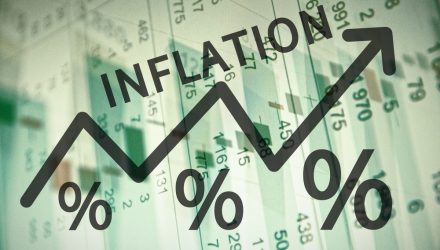
Inflation is likely to rise in 2021—but will the rise be sustained? That seems to be the million-dollar question lately. Given concerns that inflation will rise in the years to come, some investors may be looking for ways to protect their portfolios from its effects.

ETF investors who were hesitant to look overseas during the height of the pandemic can now do so with the iShares Core MSCI EAFE ETF (IEFA) . “The global economy will recover this year from its coronavirus slump at a pace not seen since the 1970s as strong momentum builds in most major economies, according to Reuters polls of over 500 economists,” a Reuters report said.

When reviewing the current state of the global economy and investment markets , we recommend focusing on market signals and weeding out market noise.

A rising tide of improving economic growth expectations has lifted all sectors this year. The companies getting the greatest boost in recent months were some of the most unloved and distressed in the first half of 2020. After this sharp reversal, waters may get choppier ahead.

Dividend growth is returning in a big way, and that scenario couldn’t arrive at a better time with Treasury yields still low. Advisors can position for what’s expected to be a materially better environment for payout names with the Global Dividend Model Portfolio, which is part of WisdomTree’s Modern Alpha series of model portfolios.
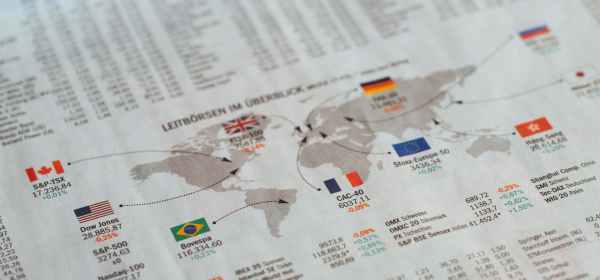
February 2021 Macroeconomic growth and macroeconomic growth expectations play an important role in equity investing. When macroeconomic growth or macroeconomic growth expectations increase, we would expect that equity markets perform better than when macroeconomic growth or macroeconomic growth expectations are falling.

Advisors have plenty of tools to deploy when it comes to guarding client portfolios against the ravages of inflation. They ought not to sleep on emerging markets as a way of accomplishing that objective. Advisors can meet that demand with model portfolios, including the Emerging Markets Multi-Factor Portfolio .