
TKNZ highlights a new ETF question for investors: whether active management can improve how crypto exposure is selected, sized and rebalanced inside a spot multi-token structure. The key issues are fees, execution, concentration and portfolio fit.

TKNZ highlights a new ETF question for investors: whether active management can improve how crypto exposure is selected, sized and rebalanced inside a spot multi-token structure. The key issues are fees, execution, concentration and portfolio fit.

Small-cap ETFs can do more than add size exposure: index design, quality screening, and rebalance rules can materially change what investors actually own. That makes this rally relevant to long-term portfolio construction, not just short-term market timing.

This week’s coverage highlights why ETFs increasingly serve as the core plumbing of modern portfolios. For long-term investors, the important issue is not just fund selection, but how different ETF sleeves interact through diversification, concentration, costs, and rebalancing discipline.

Emerging-market bond ETFs can broaden fixed-income portfolios by adding credit, sovereign and liquidity risk that many aggregate funds underrepresent. For long-term investors, the key issue is not just yield, but how the ETF’s structure and duration change diversification, volatility and rebalancing needs.

KWEB matters because it combines concentrated exposure to China’s internet leaders with structural risks around regulation, ownership rights and persistent valuation discounts. For ETF investors, the key issue is how to size a thematic sleeve when the businesses may be strong but the structure and sentiment remain fragile.
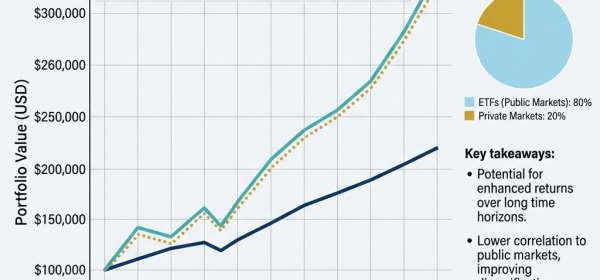
Model portfolios matter because they turn ETF selection into a repeatable allocation process. For long-term investors, the bigger issue is how the wrapper affects rebalancing, costs, transparency and control—not just how quickly a portfolio can be assembled.

This matters because an active thematic ETF can turn one manager’s conviction into real portfolio concentration. Investors should understand how new buys, forced sales and position sizing affect diversification, liquidity and the fund’s role in a long-term allocation.
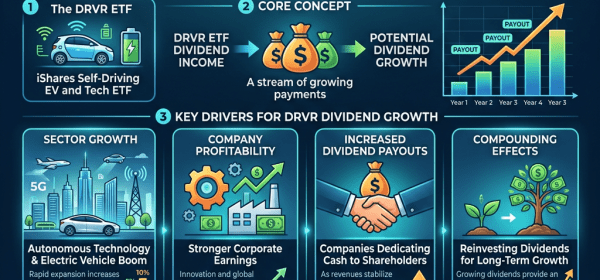
DRVR highlights why dividend-growth ETFs should be judged by index design, sector exposure, and rebalancing rules—not just by the presence of dividend growers. These structural differences can shape concentration, diversification, and how the fund fits into a long-term income allocation.
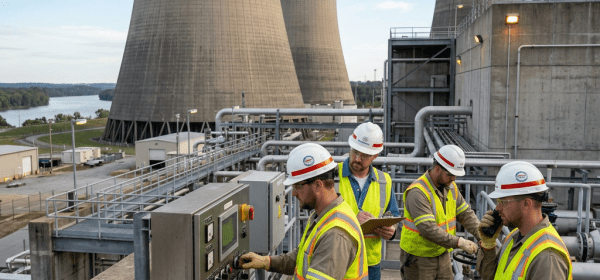
Reactor restarts shift nuclear investing toward operating assets, regulatory execution and utility-style cash-flow potential. For ETF investors, the key issue is how that changes concentration, valuation risk and where value may accrue across the nuclear supply chain.

Short-duration bond ETFs matter because they can help investors keep defensive assets invested while limiting interest-rate sensitivity. For long-term portfolios, the main decision is how to use them alongside longer-duration bonds, cash, and rebalancing discipline.

These energy ETFs matter because they translate oil-market turbulence into daily sector exposure, not direct crude exposure. Understanding leverage, daily reset effects and sector concentration helps investors judge whether the products fit a short-term tactical view rather than a long-term holding.

Agentic AI matters for ETF investors because it shifts the investable focus from chatbots to the full automation stack. That changes how thematic funds are built, where concentration sits, and how much portfolio risk comes from software, hardware, and regulation.

ETFs are becoming the default portfolio wrapper, but the bigger issue for long-term investors is how those funds are used. This piece highlights why diversification, overlap, and rebalancing discipline matter more as ETFs take a larger role in model portfolios.

Midstream infrastructure demand is only part of the ETF decision. Investors also need to weigh fund structure, concentration, fees and trading costs, because MLP-focused and broader infrastructure ETFs can deliver very different exposures to the same long-term buildout theme.