Two experts debating regulatory clarity and practical implementation of ultra-processed food classification at FDA and USDA public workshop

FDA and USDA face three-way fight over UPF definition

The FDA and USDA are receiving mixed feedback on defining ultra-processed foods (UPFs). Over 5,000 comments reflect public health advocates pushing for urgent adoption of frames like NOVA, while industry groups express concerns about overly broad definitions. A federal definition could clarify guidelines and influence state legislation, though challenges remain in achieving a consensus.

Continue reading

Infographic detailing gut health fundamentals and how turmeric, ginger, cinnamon, garlic, cloves, and black pepper help with anti-inflammatory benefits and digestion.

Gut-Loving Anti-Inflammatory Spices to Add to Your Diet

Gut health is crucial for overall well-being, influencing digestion, skin health, immunity, mood, and energy. Compromised gut health can lead to inflammation and various health issues. A balanced gut microbiome is linked to mental health and nutrient absorption. Incorporating anti-inflammatory spices like turmeric, ginger, and cinnamon can support gut health.

Continue reading

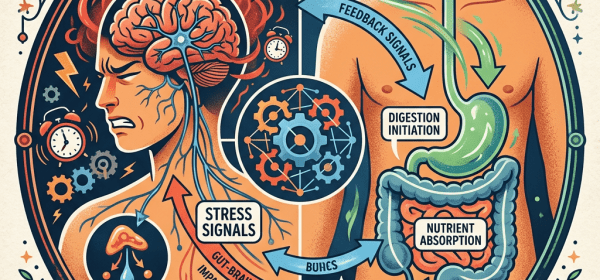
Diagram showing stress signals from brain affecting digestion and gut microbiome supporting gut health

Beyond Probiotics: Better Gut Health Starts With Your Nervous System, Says Nutritionist — Here’s Why

Improving gut health goes beyond probiotics and fiber; a well-regulated nervous system is crucial. Nutritionist Deepsikha Jain emphasizes that stress affects digestion, highlighting the gut-brain connection. To support digestion, individuals should manage stress, prioritize sleep, and engage in regular exercise while adopting mindful eating habits for optimal health benefits.

Continue reading

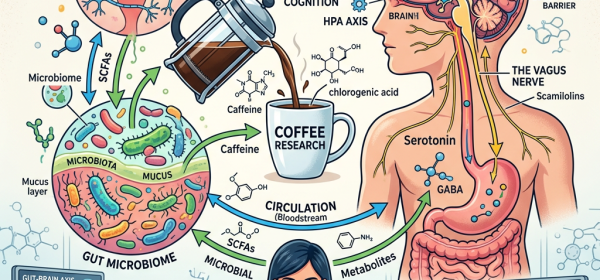
Diagram of gut-brain axis showing coffee impact on microbiome, neurotransmitters, and brain functions

Caffeinated and decaffeinated coffee lower stress, depression and impulsivity

Recent research from APC Microbiome Ireland reveals that both caffeinated and decaffeinated coffee positively impact the gut-brain axis. The study showed improvements in mood, stress, and cognitive function among coffee drinkers. Differences in gut bacteria were noted, suggesting coffee’s potential benefits for gut health and emotional well-being, independent of caffeine content.

Continue reading

Diagram showing food matrix structure, nutrient encapsulation, and nutrient bioavailability during digestion

Unleashing nutrient potential: Why the food matrix matters for bioavailability

The relationship between nutrient bioavailability and food matrix is complex. Bioavailability refers to how nutrients are absorbed and utilized by the body, influenced by food structure and composition. Dense matrices can trap nutrients, while ultra-processed foods may enhance absorption. Understanding this relationship is vital for product design and addressing health impacts.

Continue reading

Three adults sitting at a table taking medication with water during a study check-in observed by a nurse

Probiotics for Depression: Daily Supplement Boosts Antidepressants in Older Adults

A clinical trial published in the Journal of the American Geriatrics Society revealed that older adults with moderate depression experienced greater symptom relief when combining standard antidepressants with daily probiotics, compared to a placebo. The probiotic group showed higher levels of brain-derived neurotrophic factor (BDNF). Further research is needed to confirm these findings.

Continue reading

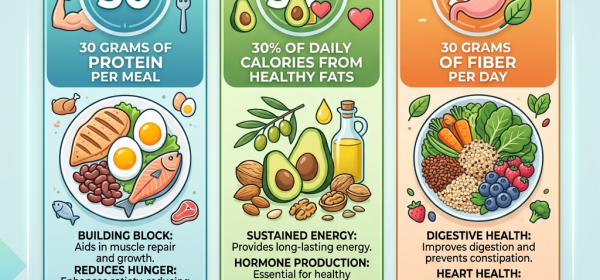
Infographic explaining triple 30 nutrition rule: 30 grams protein per meal, 30% calories from healthy fats, 30 grams fiber per day.

A nutritionist swears by the ‘triple 30’ rule to eat enough protein and fiber for gut health and longevity

Nutritionist Dominique Ludwig advocates the “triple 30” rule for improved health: 30 grams of protein per meal, 30 grams of fiber daily, and 30 different plants each week. This approach aids in energy, digestion, and reduces cravings, promoting a healthier lifestyle without complex dieting methods. Her book “No Nonsense Nutrition” elaborates on these principles.

Continue reading

Volunteers discussing vitamin D deficiency awareness with people at a beachside information booth

Should I take vitamin D now there’s less sun, or for bone or immune health?

Despite the abundant sunshine in Australia, nearly one in four adults is vitamin D deficient. Vitamin D, crucial for calcium absorption and overall health, can be obtained through sunlight or diet. Supplements may be necessary for those at risk; however, careful monitoring is important to avoid toxicity. Consulting a healthcare professional is advised.

Continue reading

Ceramic bowl filled with striped sunflower seeds on a wooden table

Sunflower Seeds: This Classic Snack Is a Protein Superfood

Sunflower seeds are a nutritious snack, providing protein, vitamin E, essential fatty acids, and minerals that support heart health and immune function. They can be enjoyed raw or roasted, though high heat may reduce some nutrients. A daily portion of 1 ounce is recommended, but those with allergies or dietary restrictions should exercise caution.

Continue reading

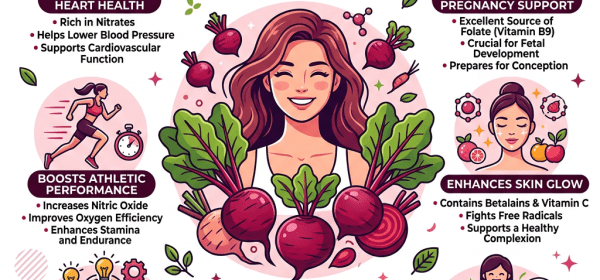
Illustration showing women's health benefits of beets including heart health, athletic performance, brain function, pregnancy support, skin glow, and digestion

The Benefits of Beet Juice for Women’s Health

Beets are nutrient-rich vegetables beneficial for women’s health, providing fiber, potassium, iron, and folate. They support digestion, hydration, and overall wellness, especially during menstruation and pregnancy. While beet juice offers concentrated nutrients, it lacks fiber and can affect blood sugar levels differently than whole beets. Incorporating beets into the diet can enhance health.

Continue reading

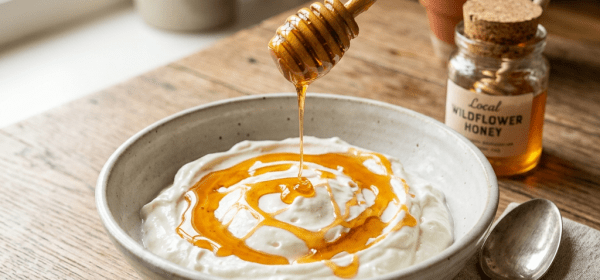
Honey drizzled over creamy yogurt in a bowl on a wooden table

The Best Time to Eat Yogurt, According to Experts

Yogurt, prevalent in various cultures, offers significant health benefits, including protein, calcium, and cancer prevention. Studies show regular consumption supports gut health. While any time can work, eating yogurt with meals improves probiotic survival. For maximum benefits, choose plain varieties and consider adding honey to enhance probiotics.

Continue reading

Nourishing your brain and body to reduce stress on the farm

Eating intentionally can significantly improve mental clarity and mood, as demonstrated by individuals like DeEtta Lee and Randy Uhrmacher. Registered Dietitian Leslie Bonci emphasizes the importance of consistent meal patterns and nutrient-rich foods. Focusing on adding nourishing options rather than restrictions can help manage stress and enhance overall well-being.

Continue reading

What happens after GLP-1s and why food will matter more than ever

GLP-1 medications are effective for weight loss but lead to rapid weight regain and reversal of metabolic health benefits after discontinuation, according to a University of Oxford study. As users return to pre-treatment conditions within 1.7 years, the need for sustainable dietary solutions and lifestyle changes becomes evident, highlighting the limitations of short-term drug use.

Continue reading

1 2 3 15