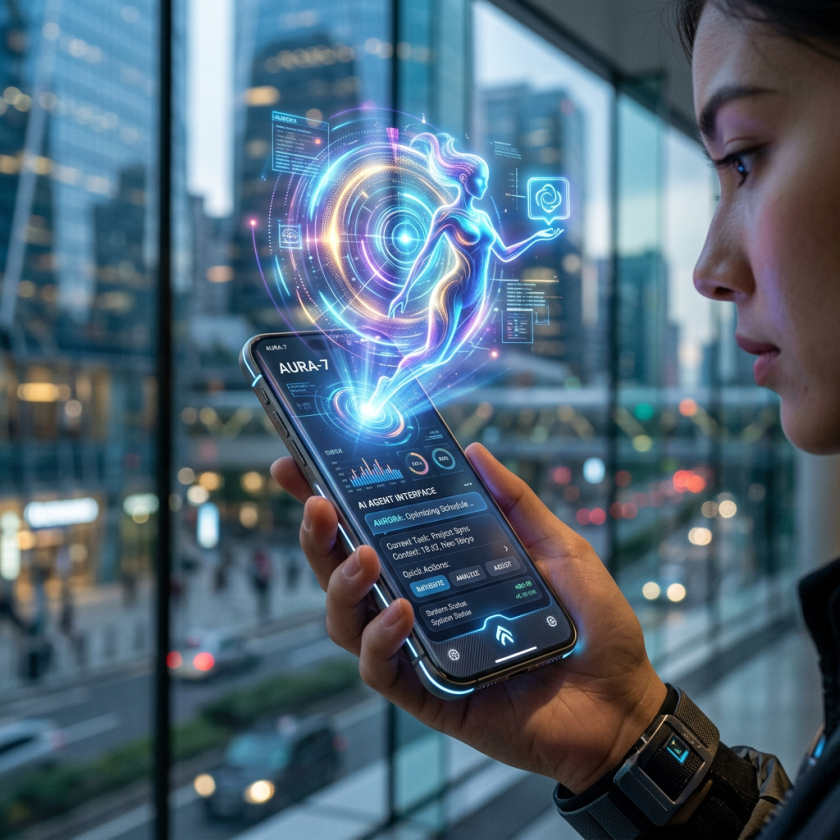
An AI-first phone would move the main complexity from the app layer into the orchestration layer. For IT teams, that means the device becomes less of a launcher and more of a runtime for intent handling, permissions, retrieval, and action execution. The real architectural question is not whether the interface is conversational, but how reliably the system can map a user request to the right services, identities, and transaction boundaries without exposing data or creating brittle dependencies.
That shift also changes integration design. Today, mobile apps encapsulate business logic, API calls, and user workflows in separate containers. If an agent replaces some of that interaction, organizations may need cleaner service APIs, stronger metadata, and more machine-readable policies so the agent can discover and complete tasks safely. In practice, this could push teams toward better API governance, tighter workflow standardization, and more deliberate exposure of enterprise systems to AI-driven clients.
Security becomes a first-order requirement rather than a feature layer. An agent that can act across email, calendars, payments, or internal systems raises the stakes for authentication, consent, auditability, and data minimization. The operating model would need clear controls for what the agent can read, infer, and execute, plus strong logging for incident response and compliance. If those controls are weak, the convenience of a single interface could turn into a single point of failure.
There is also a practical adoption problem. Even if the hardware is optimized for AI workloads, the ecosystem transition would depend on developer support, user trust, and compatibility with existing app-based services. For technical leaders, the lesson is that an AI-native handset is as much a platform strategy challenge as a product idea: success depends on interoperability, governance, and the ability to coexist with legacy mobile workflows during a long migration period.
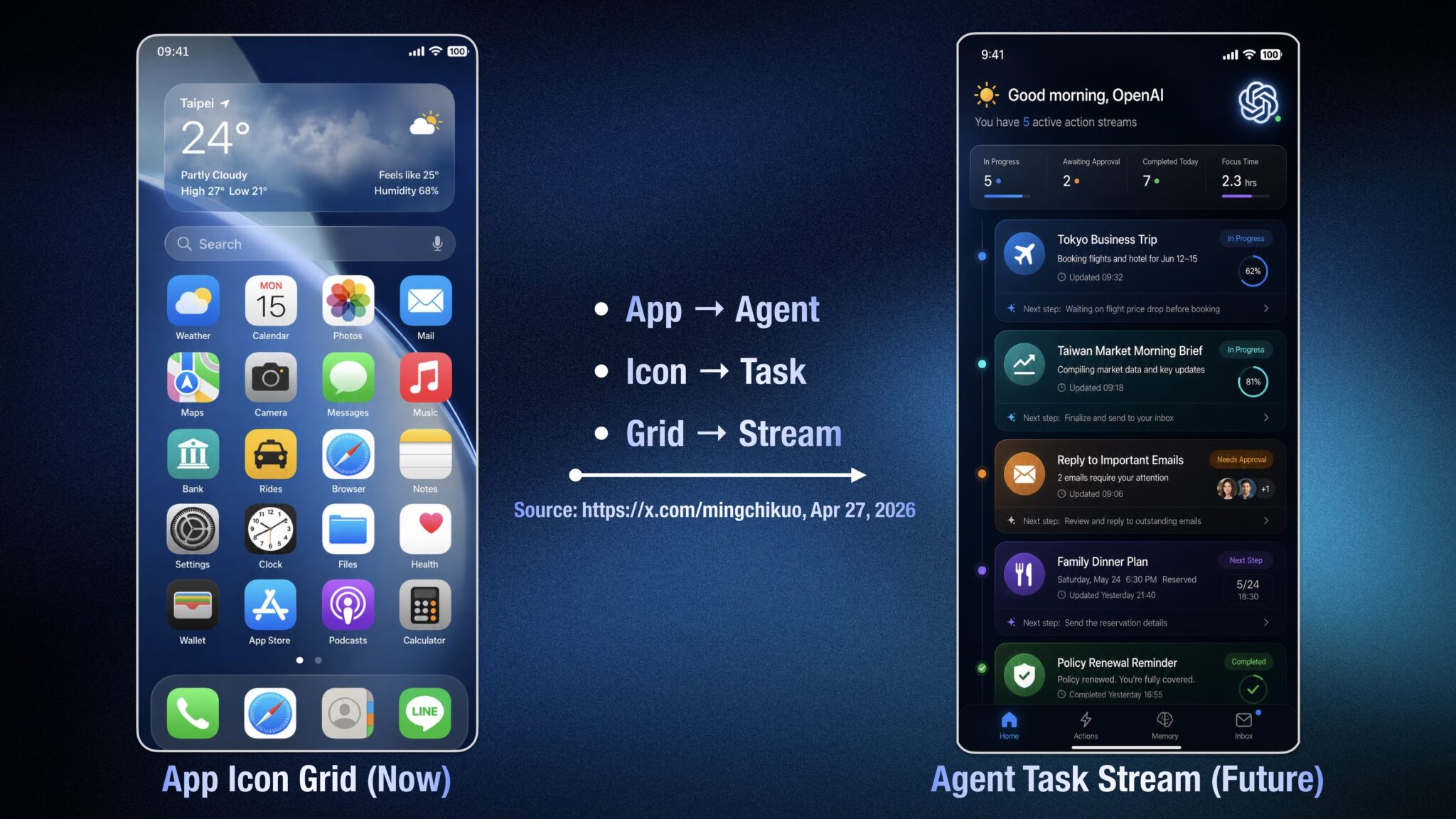
OpenAI might be looking beyond just software. A new report suggests the company is exploring an “AI agent phone,” and the idea behind it is quite different from how smartphones work today.
The details come from analyst Ming-Chi Kuo, who
claims OpenAI is thinking about a device where you don’t really move between apps the way you normally would. Instead, a built-in AI agent handles tasks for you, end to end.
So rather than opening your calendar, checking messages, and switching between apps to plan something, you would just ask. The AI would figure out the rest, pulling in the right information, suggesting options, and even completing actions if needed. It sounds simple on paper, but it is a big shift from the current app-based model.
We have seen early attempts at this before. The
Rabbit R1 tried to reduce reliance on apps, though in a much more limited way. What OpenAI is reportedly working on seems more ambitious, basically bringing that idea into a full smartphone rather than a companion gadget.
On the hardware side, the report mentions collaborations with MediaTek and Qualcomm to build a chip that is better suited for AI-heavy tasks. Manufacturing could be handled by Luxshare, which already works with large-scale consumer electronics.
That said, this is not something arriving anytime soon. Kuo suggests specs and suppliers could be finalized around late 2026 or early 2027, with production possibly starting in 2028. So even in the best case, this is still a few years out.
There are also some obvious hurdles. Replacing apps, or even just reducing their role, means dealing with a lot of existing ecosystems and habits. People are used to how phones work, and changing that is not easy.
Still, if this direction holds, it gives a glimpse of where things might be heading. Less tapping through apps, more just asking for what you want and letting the system handle it.
Don’t miss a thing!
Join our Telegram community for instant updates and grab our
free daily newsletter for the best tech stories!
For more daily updates, please visit our
News Section.
(
Source)
https://www.gizmochina.com/2026/04/30/openais-rumored-ai-phone-could-rethink-how-apps-work/
Related