
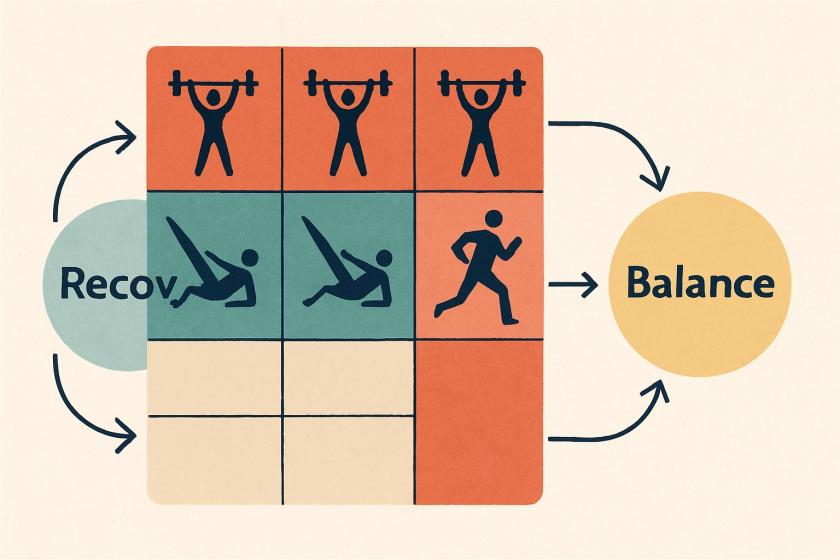
The appeal of a simple weekly template is less about novelty than decision fatigue: when the plan is easy to remember, people may be more likely to start and repeat it. That matters because consistency usually drives results more reliably than a perfect-looking routine that never gets done.
Still, a viral format is not evidence that the format itself is superior. The likely value comes from the underlying ingredients — resistance training, some aerobic work, and recovery — rather than the specific 3-2-1 label. In other words, the mechanism is plausible, but the social-media buzz should not be mistaken for proof of unique effectiveness.
For many people, the biggest practical advantage is that a fixed structure can reduce overthinking. It can also make it easier to notice whether a week is becoming too intense, too repetitive, or too light. That said, the right mix depends on goals, training age, sleep, stress, and how well someone recovers between sessions.
The main trade-off is flexibility. A template built for general fitness may not suit marathon preparation, injury rehab, shift work, or anyone who simply needs more rest. The healthiest use of the idea is as a starting point: adaptable, sustainable, and honest about what it can and cannot deliver.
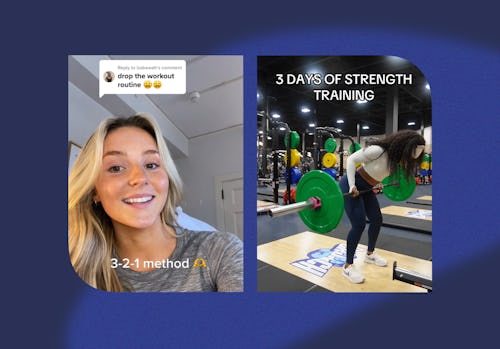
What Is The “3-2-1” Workout?
 TikTok/@chelseyfromladder
According to Heather Andersen, a certified Pilates instructor and founder at New York Pilates, the 3-2-1 trend is an easy way to keep your workouts simple and balanced. Three days of strength, two of Pilates, and one of cardio create a rhythm that helps you get stronger, she tells Bustle, but it also prevents you from doing too much of one thing.
By folding three strength workouts into your week, you’ll build muscle, improve your bone density, and boost your mental health. Add in one day that focuses on cardio, and just like that, you’re improving your endurance and heart health, too.
According to Andersen, the real secret sauce comes from those two Pilates days. “That’s what ties everything together,” she says. “Pilates teaches anatomy, breath, alignment, and core. It’s the foundation that makes every other workout work more effectively.”
Whether you’re doing a Pilates video at home or sliding on a reformer in a studio, this modality also offers greater flexibility, core stability, improved posture, and maximizes your other fitness routines. When you follow it up with a rest day, you’re really doing things right.
“All things need to rest, even you, and especially your body,” Andersen says. “Think of it like baking bread. The bread needs time to rise before it becomes something amazing. Rest is your body’s rise time. It’s when all that hard work starts to cook.”
TikTok/@chelseyfromladder
According to Heather Andersen, a certified Pilates instructor and founder at New York Pilates, the 3-2-1 trend is an easy way to keep your workouts simple and balanced. Three days of strength, two of Pilates, and one of cardio create a rhythm that helps you get stronger, she tells Bustle, but it also prevents you from doing too much of one thing.
By folding three strength workouts into your week, you’ll build muscle, improve your bone density, and boost your mental health. Add in one day that focuses on cardio, and just like that, you’re improving your endurance and heart health, too.
According to Andersen, the real secret sauce comes from those two Pilates days. “That’s what ties everything together,” she says. “Pilates teaches anatomy, breath, alignment, and core. It’s the foundation that makes every other workout work more effectively.”
Whether you’re doing a Pilates video at home or sliding on a reformer in a studio, this modality also offers greater flexibility, core stability, improved posture, and maximizes your other fitness routines. When you follow it up with a rest day, you’re really doing things right.
“All things need to rest, even you, and especially your body,” Andersen says. “Think of it like baking bread. The bread needs time to rise before it becomes something amazing. Rest is your body’s rise time. It’s when all that hard work starts to cook.”
Is This Workout For Everyone?
 TikTok/@greer.townsend
If you feel drawn to the 3-2-1 method, absolutely give it a try. It isn’t the only way to exercise, but it’s a structure that often feels just right when you’re looking for something well-rounded and easy to remember.
How you exercise is all dependent on your goals. Would this routine be perfect if you were training for a marathon? No. You’d 100% need more cardio. But it’s a nice mix of strength, mobility, and cardio training for others, hence why it’s so viral.
“What matters most is finding something you actually enjoy and can stick with,” Andersen says. “Consistency is key. That’s what really makes the difference!”
TikTok/@greer.townsend
If you feel drawn to the 3-2-1 method, absolutely give it a try. It isn’t the only way to exercise, but it’s a structure that often feels just right when you’re looking for something well-rounded and easy to remember.
How you exercise is all dependent on your goals. Would this routine be perfect if you were training for a marathon? No. You’d 100% need more cardio. But it’s a nice mix of strength, mobility, and cardio training for others, hence why it’s so viral.
“What matters most is finding something you actually enjoy and can stick with,” Andersen says. “Consistency is key. That’s what really makes the difference!”
What The “3-2-1 Workout” Can Look Like
 TikTok/@tylerfromladder
According to Jill Drummond, VP of fitness at BODYBAR Pilates, you can structure these six workouts however you’d like, but it often helps to alternate the Pilates and strength training days. A sample week might look like:
TikTok/@tylerfromladder
According to Jill Drummond, VP of fitness at BODYBAR Pilates, you can structure these six workouts however you’d like, but it often helps to alternate the Pilates and strength training days. A sample week might look like:
- Monday — strength training: legs, back, chest
- Tuesday — Pilates
- Wednesday — strength training: shoulders, biceps, triceps
- Wednesday — Pilates
- Friday — strength training: legs, back, glutes
- Saturday — cardio: running, interval walks, swimming, HIIT, rowing
- Sunday — rest: gentle walking, relaxing, stretching
Enjoyed this article? Sign up for our newsletter to receive regular insights and stay connected.