
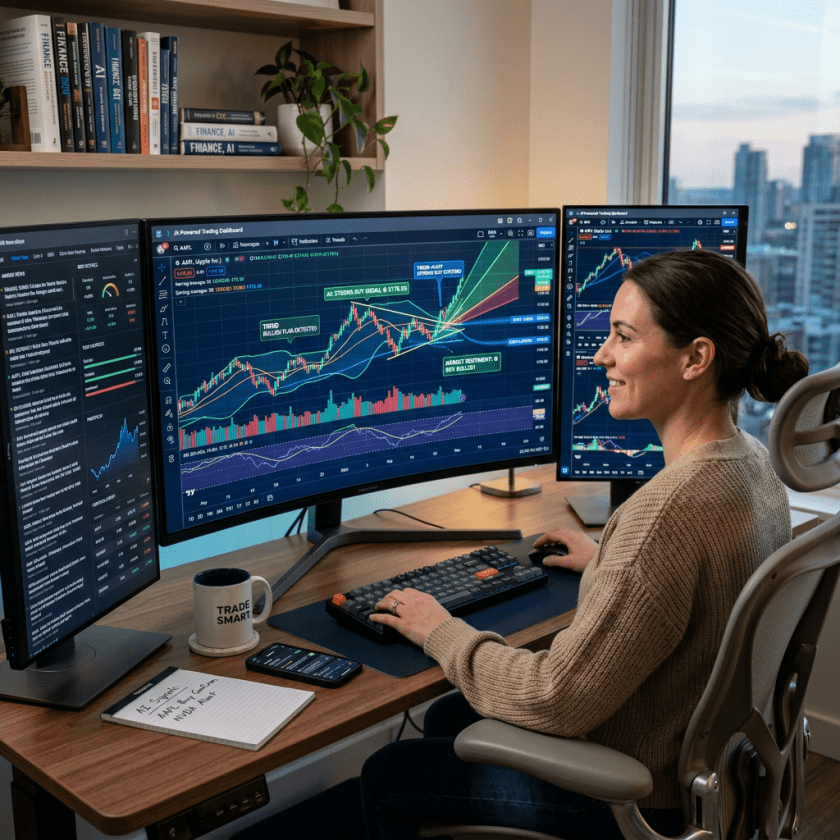
In recent years, Artificial Intelligence (AI) has revolutionized numerous industries, making its mark by enhancing efficiency, decision-making, and automation. The trading world, with its complex data analysis and quick decision-making requirements, presents a fertile ground for AI’s transformative capabilities. Retail traders, often perceived as underdogs in the financial markets, now have a powerful ally in AI, enabling them to make more informed and timely decisions. This article explores the potential of AI for retail traders, the possibilities of trading automation, how AI can ease the trading process, pathways to integrating AI into trading strategies, and cautionary advice for navigating the AI trading landscape.
The Potential of AI for Retail Traders
For retail traders, competing in the same arena as institutional investors and large trading firms can be daunting due to differences in resources, access to information, and trading technologies. However, AI levels the playing field by offering retail traders sophisticated analytical tools and insights previously accessible only to the giants of the trading world. AI can process vast amounts of data from diverse sources in real-time, identify patterns and trends that are invisible to the human eye, and predict market movements with a higher degree of accuracy than traditional methods. This potential for enhanced market analysis and prediction opens new opportunities for retail traders to improve their trading strategies and outcomes.
The Possibilities in Trading Automation via AI
Trading automation stands out as one of the most compelling applications of AI in the trading domain. Automated trading systems, powered by AI algorithms, can execute trades at high speeds and volumes that are impossible for human traders. These systems can monitor multiple markets and execute trades based on predefined criteria, such as price movements, economic indicators, or news sentiment analysis. Moreover, AI-driven automation reduces the emotional biases that often affect trading decisions, leading to a more disciplined and consistent trading approach.
What AI Can Do to Ease Trading
AI can significantly ease the trading process for retail traders in several ways:
- Market Analysis: AI can analyze complex market data and extract actionable insights, helping traders understand market trends and make better-informed decisions.
- Risk Management: By predicting potential market movements and identifying high-risk scenarios, AI can assist traders in managing their risk exposure more effectively.
- Portfolio Optimization: AI algorithms can help in creating diversified portfolios that balance risk and return, tailored to the trader’s specific goals and risk tolerance.
- Sentiment Analysis: AI can gauge market sentiment by analyzing news articles, social media, and other textual data, offering traders insights into the market’s emotional pulse.
- Backtesting: Traders can use AI to backtest trading strategies against historical data, allowing them to refine and validate their strategies before implementation.
Getting Started with AI in Trading
Embarking on the journey of integrating AI into trading requires a thoughtful approach. Here are steps to get started:
- Education: Begin with learning the basics of AI and machine learning, focusing on their applications in trading. Numerous online courses, tutorials, and books are available on these topics.
- Choose the Right Tools: Explore trading platforms and software that offer AI-based analysis and automation features. Some platforms are designed specifically for retail traders and offer user-friendly interfaces.
- Start Small: Experiment with AI tools on a small scale initially. Many platforms offer demo accounts where you can test strategies without financial risk.
- Network: Join online forums, social media groups, or local clubs where you can connect with other traders who are using AI. Sharing experiences and strategies can provide valuable insights.
Cautionary Advice on AI Trading
While AI offers remarkable opportunities for retail traders, it’s essential to approach it with caution:
- Overreliance: Avoid becoming overly dependent on AI. Use it as a tool to augment your trading decisions, not replace them.
- Underestimating Learning Curve: Understand that mastering AI trading tools and strategies takes time and effort. Be prepared for a learning curve.
- Market Unpredictability: Remember that AI predictions are not foolproof. The market’s inherent unpredictability means there’s always a risk of loss.
- Security and Privacy: Be mindful of the security and privacy aspects of using AI trading platforms. Ensure your data is protected.
Conclusion
AI is reshaping the landscape of retail trading, offering tools and capabilities that were once the exclusive domain of institutional players. From market analysis and trading automation to risk management and strategy optimization, AI can significantly enhance the trading experience for retail traders. However, successful integration of AI into trading practices requires education, cautious experimentation, and a balanced approach to decision-making. As we stand on the brink of a new era in trading, the fusion of AI technology and retail trading holds the promise of democratizing the trading world, making it more accessible, efficient, and equitable for all.
Enjoyed this article? Sign up for our newsletter to receive regular insights and stay connected.